

Stepping Away
Take Time To Escape Into the ‘Real World’

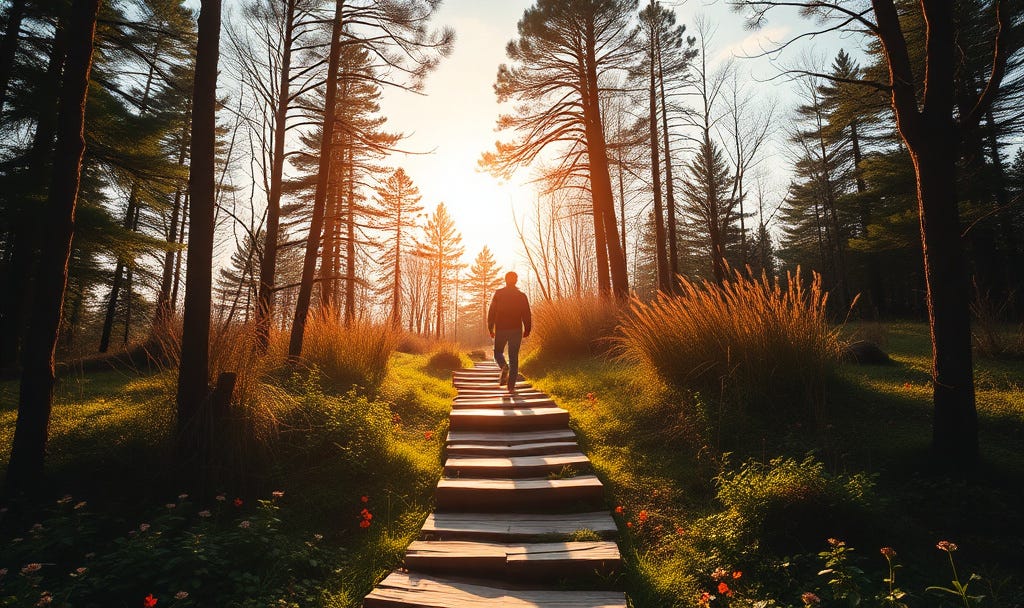
To paraphrase blogger Noah Smith, a couple of decades ago, the internet was an escape from the real world. Now, the real world is an escape from the internet.
Where can we find the “real world” these days? Almost anywhere we go, we find ourselves surrounded by people on their smartphones or giant screens showing sports or newscasts, or are asked to use the internet to make reservations for meals or transportation. There are QR codes to get information at national parks and monuments. One cannot even place an order at a Dunkin’ counter without being told to wade through the options at an online kiosk.
Well, we know a place where we can enter the “real world” — getting out in nature or stopping by a naturist resort. Going to a beach, wandering through the woods, hiking up a mountain, or setting out across a desert landscape, the internet connection disappears. Entering a resort where smartphones are restricted, one has to rely on personal contact for most interactions.
Personal contact is the key to a richer life. Multiple studies have shown how phone addiction is leading to alienation and depression. “Humans were meant to be individuals — unique, independent incubators of ideas and desires, not terminals or the fingers of a world-mind,” Noah Smith writes.
A working paper by Leonardo Bursztyn, Benjamin R. Handel, Rafael Jimenez, and Christopher Roth, published by the National Bureau of Economic Research, supports the benefits of disconnecting. They examined college students’ use of TikTok and Instagram, finding “large shares of active users prefer each platform not to exist”.